McHale Landscape Design created a deck made of ipe, a long-lasting, termite- and fire-resistant wood, adjoining a St. Michaels home.




Share rules of thumb for positioning an outdoor fireplace.
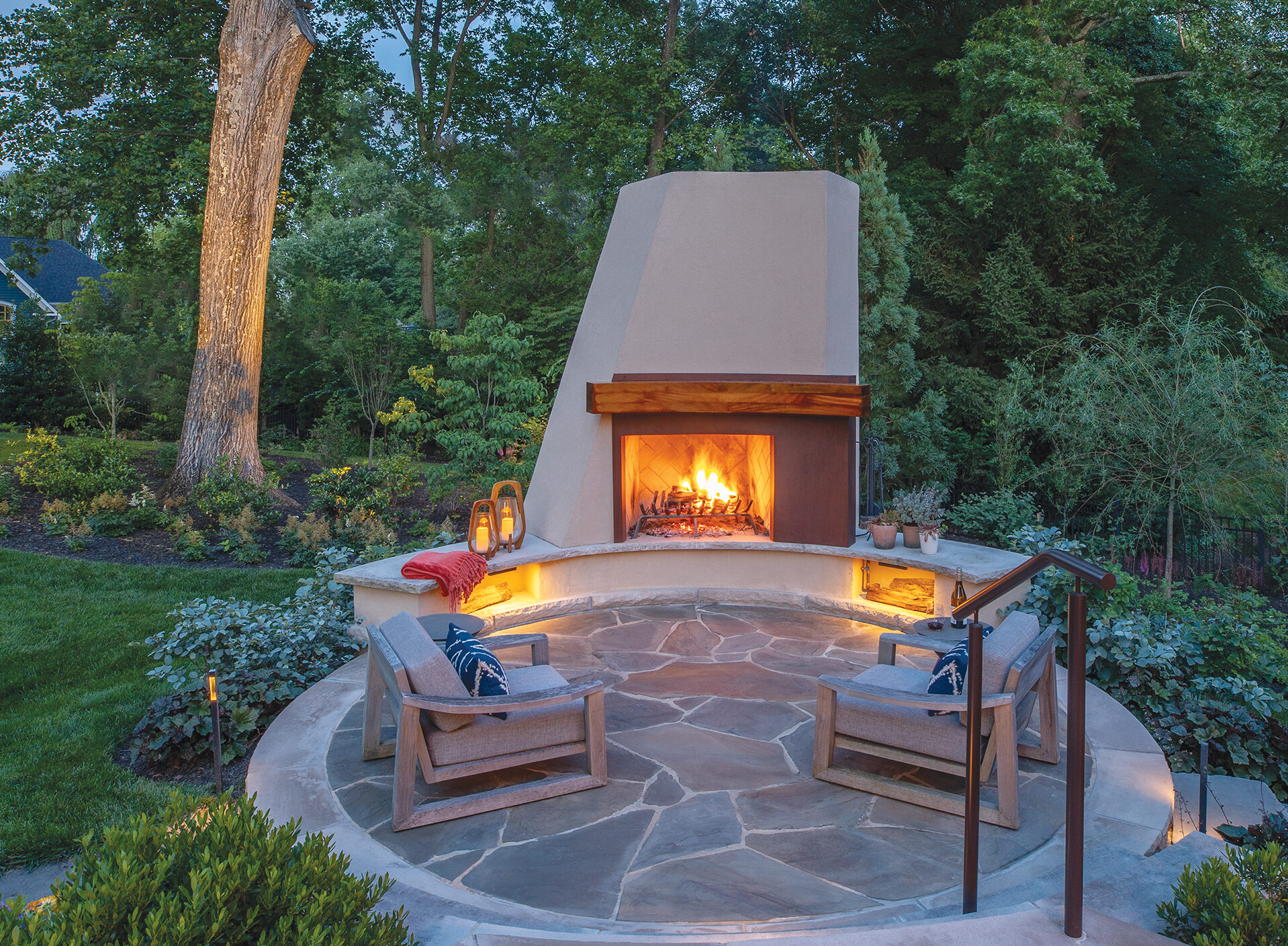
Fireplaces can be a big commitment—proper siting is imperative. We take care to anchor a fireplace into a project’s overall design, integrating the structure into adjacent walls, pergolas or topography. Functionally, fireplaces should be easy to operate; wood-burning ones need storage nearby. Finally, we plant species with fall or winter interest in close proximity so people can enjoy a fire as the last leaves turn red or the first snowdrops begin to bloom. —Jennifer Horn, PLA, Horn & Co.
What trending hardscape material do you find game-changing?
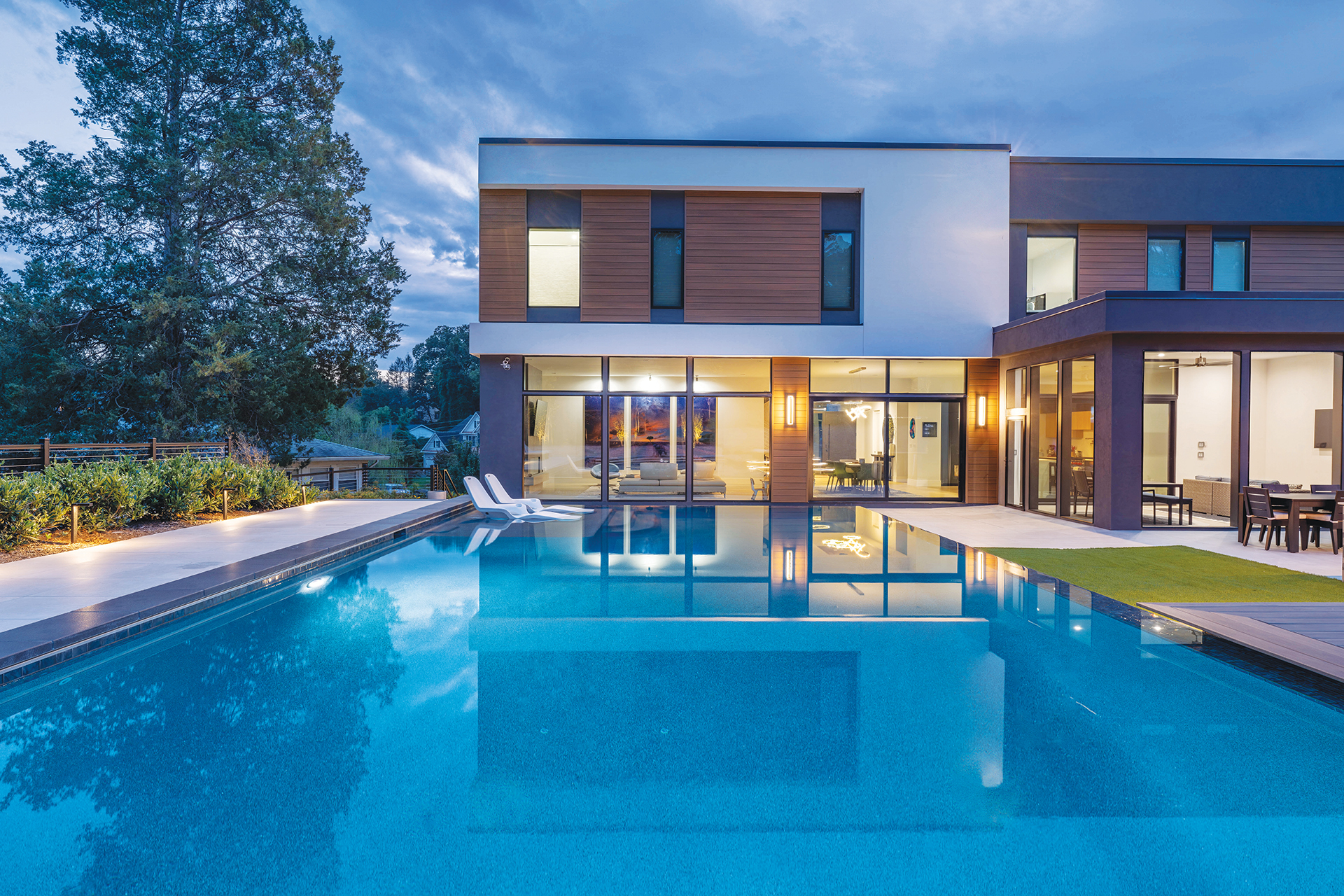
Porcelain has become a paving material we use more and more frequently. Its wide variety of sizes and colors allows us to create an array of paving patterns and looks. Porcelain’s ability to stay cool in the sun makes it an excellent choice for pool decks and its consistency in quality also gives us confidence in the material. That said, our designers still have a deep appreciation for Old World materials. Granite, with its rich colors, varied patterns and enduring strength, has a timeless quality that continues to inspire us. —Steve McHale, McHale Landscape Design
Explain the most crucial elements of an outdoor lighting plan.
Spotlights are not the answer. A great lighting plan combines many sources and types of light to create an overall well-lit space. Incorporate path lights, step lights, landscape lights, strip lights and wall lights to illuminate walkways and key aspects of a property. Also think about indirect light provided by fire features, the glow of a swimming pool and even the ambient light spilling out through windows on the home. Take things a step further and introduce dimmable lights to dial in the perfect glow. You can use 2700K color temperature to provide warmth, or get creative with the latest color-changing bulbs. —Kevin Kurdziolek, PLA, ASLA, PPA, Pristine Acres
Detail the do’s and don’ts of designing an outdoor kitchen.
One of the most common mistakes I see is poor placement. A kitchen should be positioned so whoever is cooking can still be part of the conversation, whether that is near the pool, the dining area or under a covered porch. Too often, outdoor kitchens end up tucked away in a corner, which disconnects the host from their guests and takes away from the experience. Homeowners often underestimate how much space an outdoor kitchen needs. Beyond the grill, you have to plan for refrigeration, trash storage, drawers and prep space. Without that, a beautiful setup can quickly become frustrating to use.
The groundwork—including gas, electric and plumbing—needs to be planned from the start. If you’re building a new home, this should be coordinated early with the landscape team and builder so utilities can be positioned correctly. That level of planning prevents rework once drywall is installed and ensures everything aligns as it should. When done right, the finished space functions seamlessly and feels like it was always meant to be there. —J.R. Peter, Colao & Peter
How do you define the ideal outdoor gathering space?
A successful outdoor gathering space is comfortable and inviting. It should serve as an extension of the house and a respite from the complexities of everyday life. Whether sitting down and relaxing or enjoying a pleasant fireside chat with close family and friends, an outdoor living space should blend the homeowners’ wishes and the expertise of the designer. With cooler nights and incredible displays of color from our favorite plants, fall can be the best time to enjoy a well-designed outdoor space. —The team at Rolling Acres Landscaping, Inc.
What are mistakes to avoid when planning a firepit and seating area?
When designing and constructing a firepit, several pitfalls can compromise both aesthetics and function. Poor placement—ignoring wind direction, circulation or views—can render the space uncomfortable or under-used. Selecting materials that aren’t durable enough for heat and weather often leads to cracking or staining. Hiring contractors who cut corners risks safety and shortens the firepit’s lifespan. Scale is also essential: too large overwhelms the landscape, while too small feels insubstantial. —Ed Ball, Ed Ball Designs