Our custom-building experts weigh in on low-maintenance siding materials, historic renovation, eco-savvy windows and indoor arches.
Our Experts
Matt Culp - Lynbrook of Annapolis, Inc. | Sandie Martino - Hammond Wilson
Christopher L. Pattey, Assoc. AIA - Becker Morgan Group, Inc. | Richard Zantzinger - Zantzinger
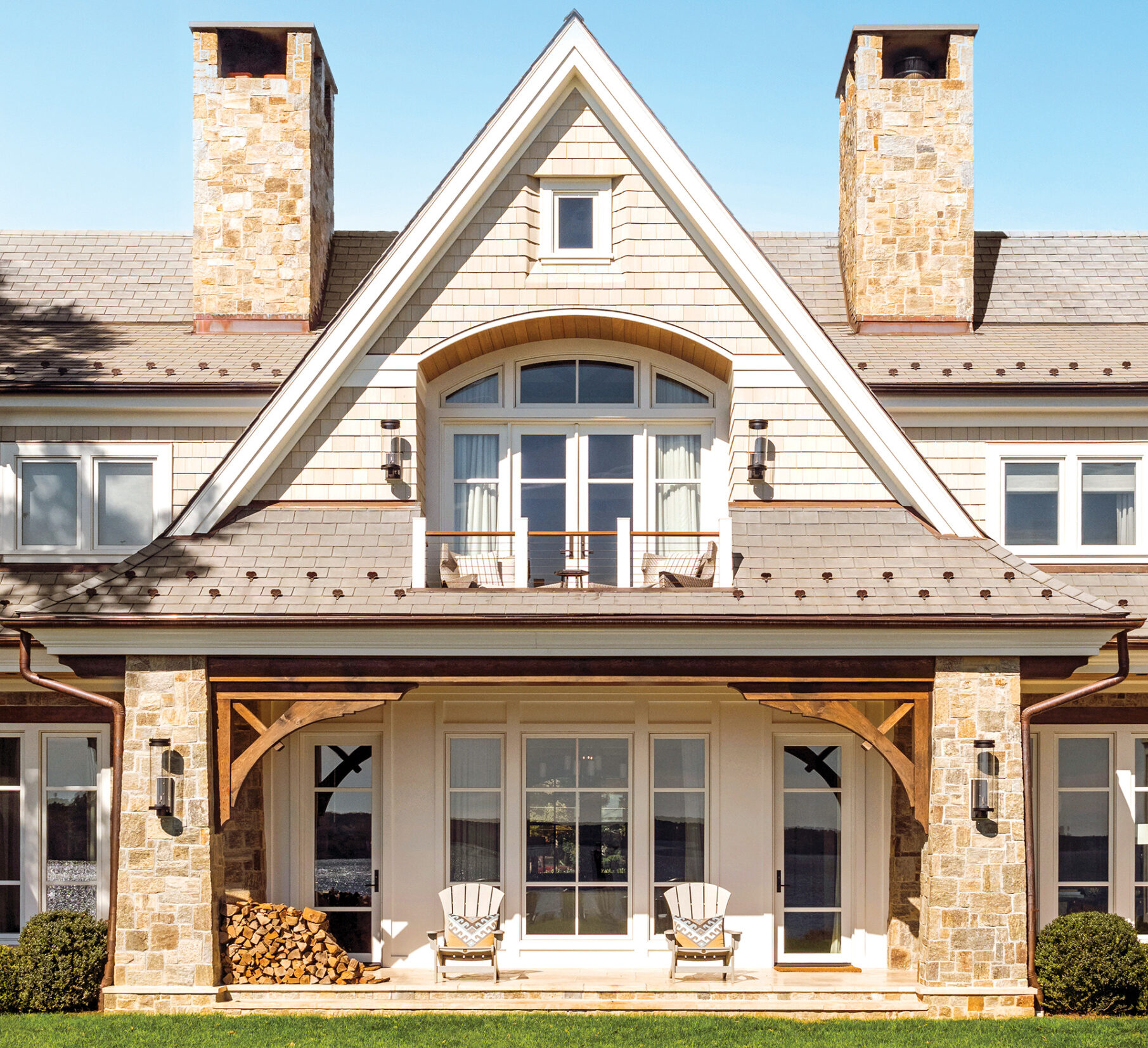
 | Sandie Martino: Low-Maintenance Materials With Staying Power- Boral Classic synthetic slate roofing provides a high-end look that resembles natural slate without the weight. It’s also resistant to fire, moisture, insects and deterioration.
- NuCedar shingles offer the timeless character of wood shingles with the benefits of a low-maintenance, highly durable material. They resist rot, insects and moisture.
- Quarry Connections’ natural-stone veneer provides the look of full-depth stone while significantly reducing weight, quantity requirements and installation costs.
- Marvin Ultimate Collection windows combine the beauty of traditional interior parts with a durable, hassle-free aluminum-clad exterior.
Hammond Wilson designed a welcoming Severna Park home utilizing materials listed above. Photo: Peak Visuals |
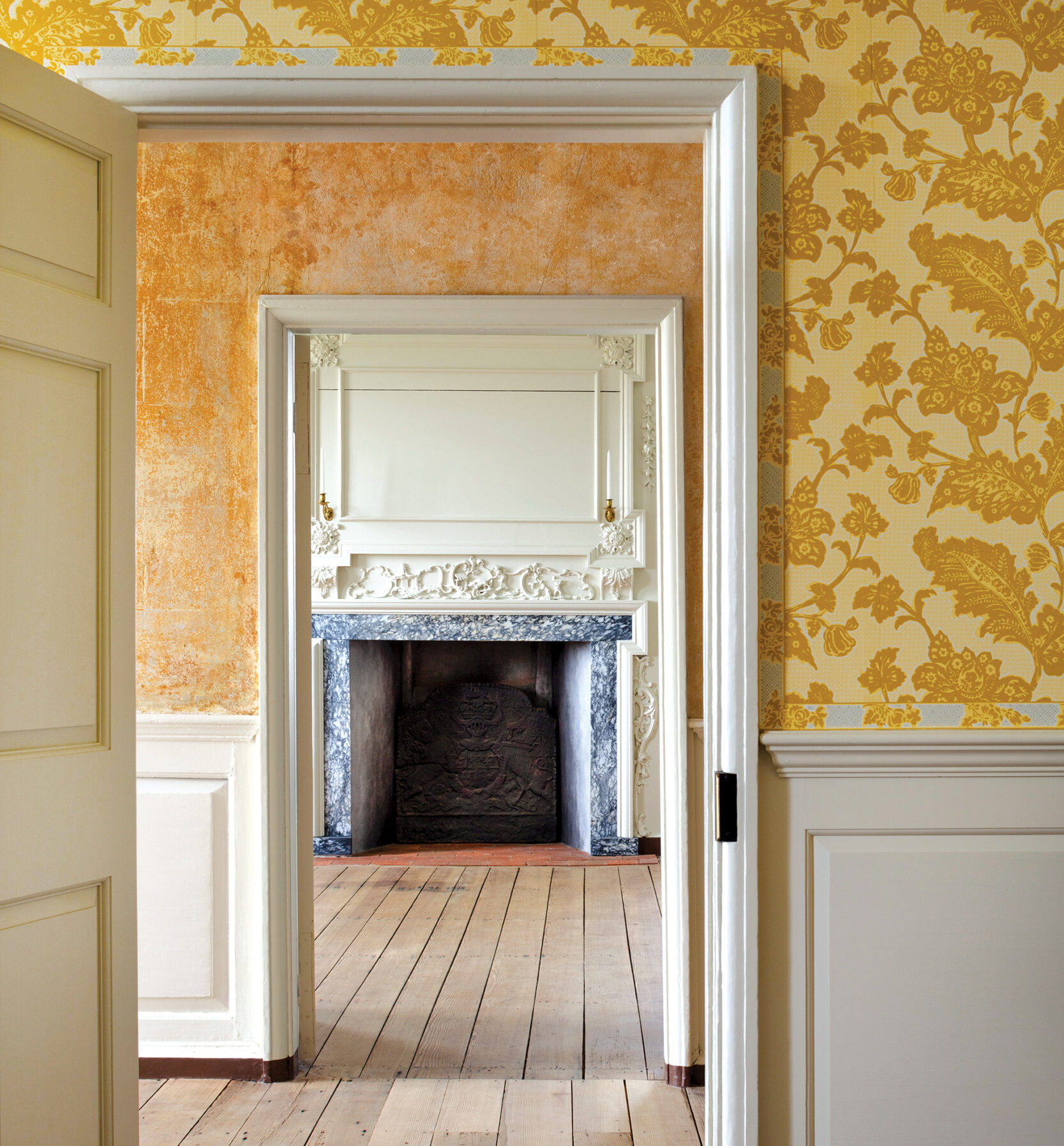
 | Matt Culp: Historic Renovation: How To Mix Old+New- Know the history. Map out alterations a house has undergone before demolition. Only remove material that is not period-correct. Once the original historical materials are gone, they can’t be replaced.
- Preserve and protect. Restore every inch of sound original material. Rather than replacing entire elements, selectively patch only damaged areas to keep as much of the original structure intact as possible.
- Make a match. When replacing degraded wood, match new stock beyond species. That means matching growth rings per inch and even original sawing methods.
- Gather evidence. If missing elements must be reconstructed, rely on physical evidence, such as panel profiles in adjacent rooms or ghost marks from prior layouts to ensure historical accuracy.
Lynbrook of Annapolis and Kimmel Studio Architects restored a 1705 Maryland manse, salvaging its original floors, door casings and fireplace. Photo: Jennifer Hughes |
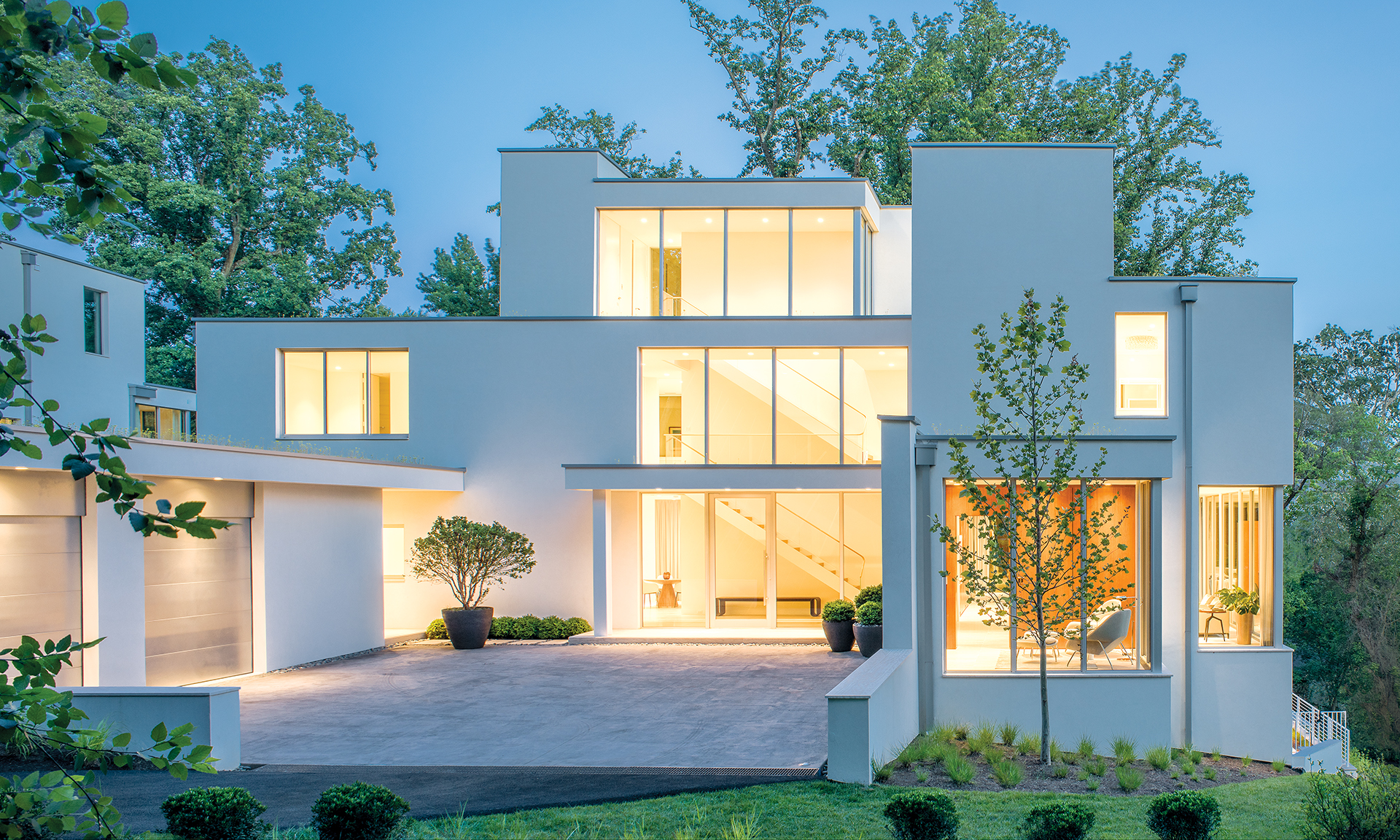
 | - Shop smart. Look for windows with well-insulated glass, low-e coatings and a well-made frame. Pay attention to the U-factor, which tells you how well a window insulates, and the solar heat gain coefficient, which measures how much heat will pass through.
- Invest in installation. Make sure windows are installed and sealed properly. You can buy an expensive, high-performance window and lose a lot of its benefits if installation isn’t right.
- Consider the big picture. Siting and the amount of direct sun windows get really matter; overhangs, exterior shading and landscaping remain some of the most impactful—and underrated—tools for energy-efficiency.
Zantzinger built a stucco-and-glass manse, designed by Wouter Boer. Photo: Maxwell Mackenzie |
“When appropriate in scale and aesthetic, arches are timeless. some arches reference historical origins, while others don’t represent a style at all. But if articulated in context with their surroundings, they work!”