Our Kitchen and Bath experts discuss kitchen display, bath layout, material mix and cabinetry trends
Our Experts
Leslie Bleier - Gilday Renovations | Stephanie Fried - Jack Rosen Custom Kitchens
Yuri Sagatov - Ateliers Jacob | Jerry Weed - Kitchen and Bath Studios, Inc.
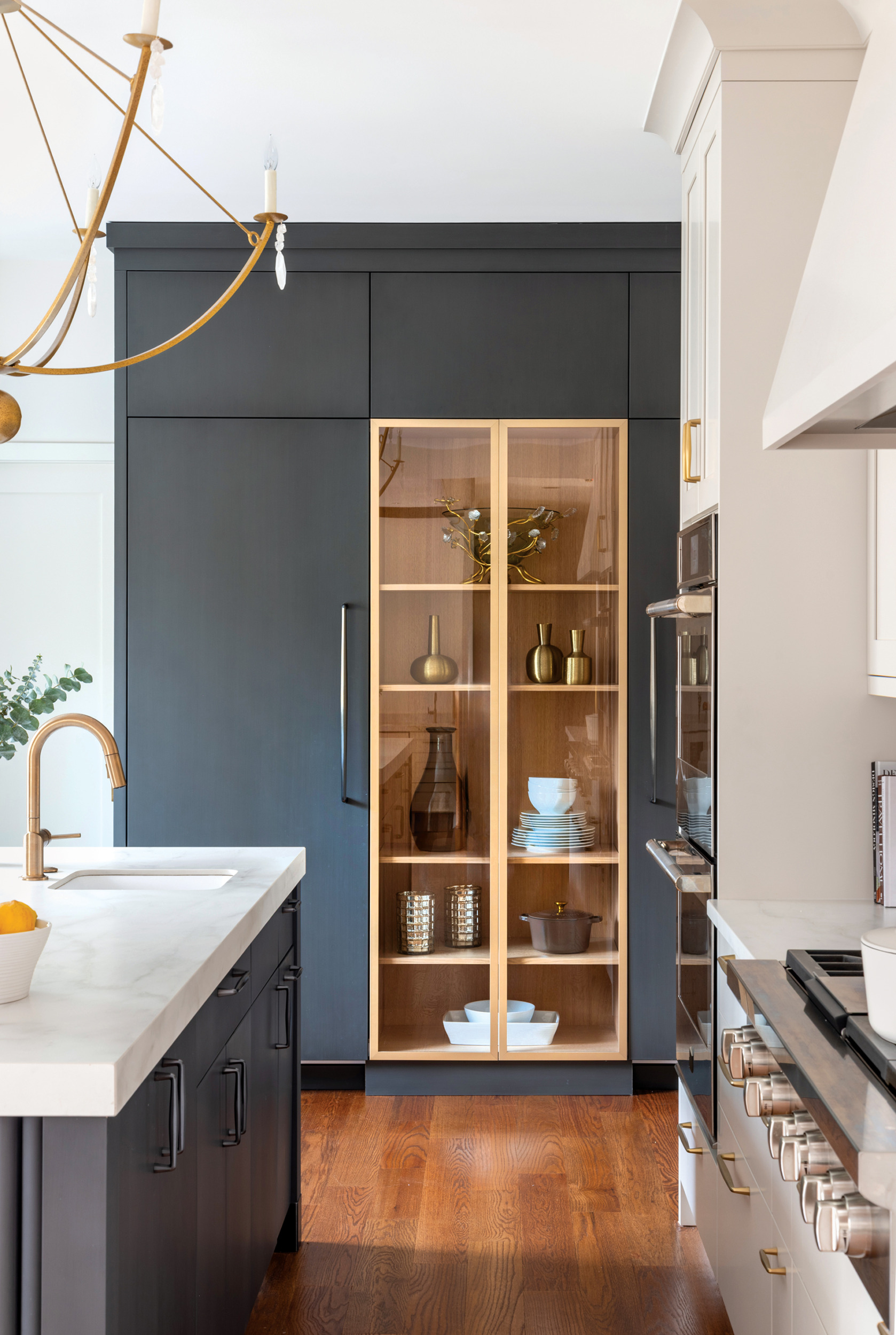
 | Stephanie Fried: Kitchen Display Case Do’s And Don’ts- Build character without clutter. Built-in display cases add personality and warmth to a kitchen. They turn an otherwise utilitarian space into an opportunity to showcase pieces that homeowners love. The best ones feel intentional and personal.
- Plan carefully. Make sure the display case will be visible to guests from multiple vantage points and consider whether or not it creates balance in the floor plan. Will you need to highlight it with lighting?
- Don’t force it. Many homeowners want a kitchen display case, but don’t have anything in particular to showcase. And if space is tight, don’t overcrowd cabinetry with a display case. A little breathing room is good.
A glass-and-metal display cabinet enhances a Potomac cook space by Jack Rosen Custom Kitchens. Photo: Nova Soul Imagery |
 | Leslie Bleier: Keys To A Successful Bath Design- Create an efficient layout. I love using hidden storage to eliminate clutter. When a bathroom is functional, everything else falls into place.
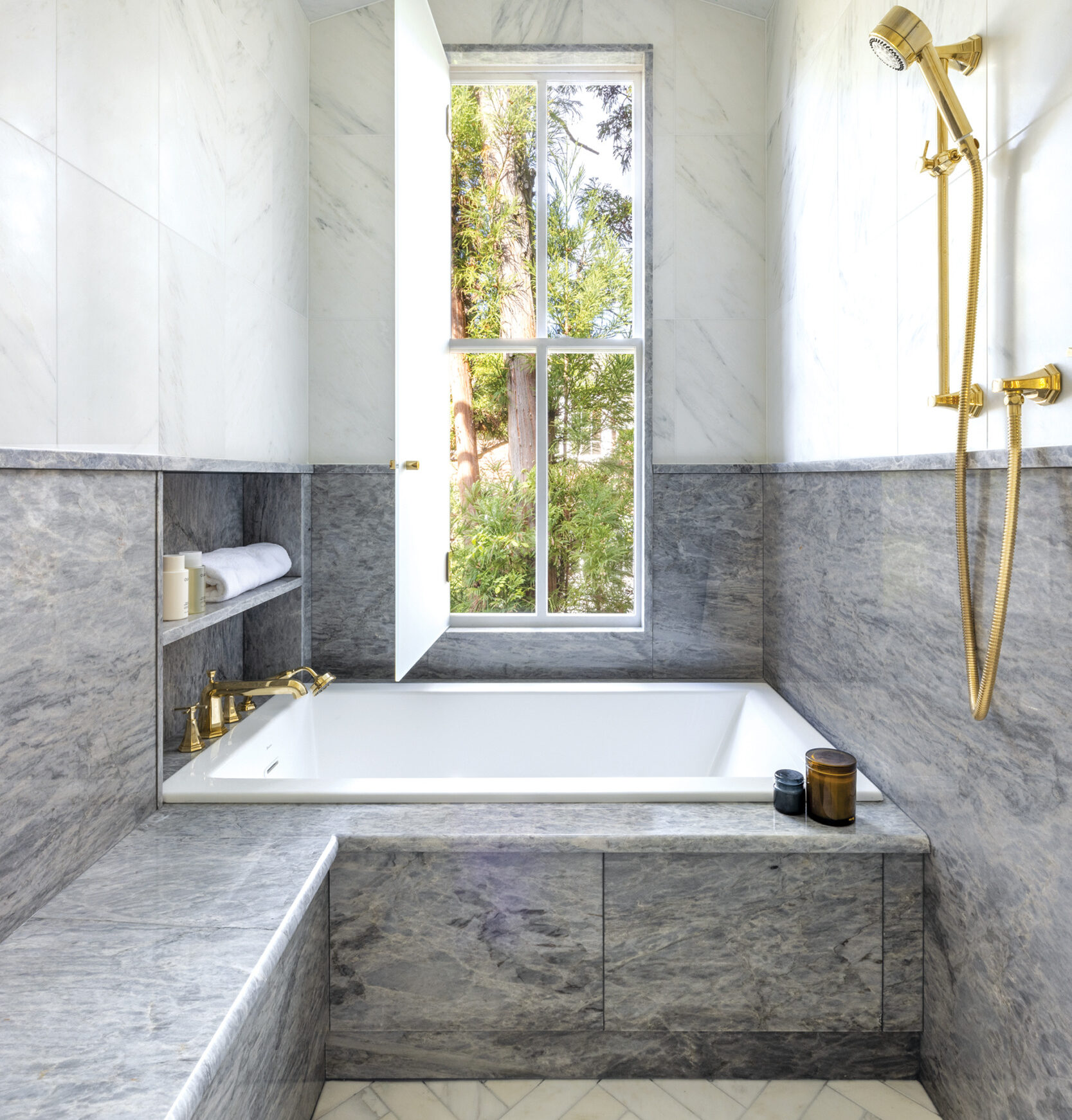
- Focus on finishes. Using classic materials like marble and porcelain creates a timeless feel. I prefer keeping the color palette within the same family, while playing with different tile shapes and textures. The scale of the tile, pattern of the wallcovering and placement of mirrors and lighting all influence the final space.
- Build drama. If a client wants a bold statement piece, I keep the rest of the bathroom understated. This allows that single element—be it a countertop, wallcovering or specialty tile—to take center stage.
A Georgetown bath by Gilday Renovations is cloaked in contrasting marble. Photo: Kate Wichlinski |
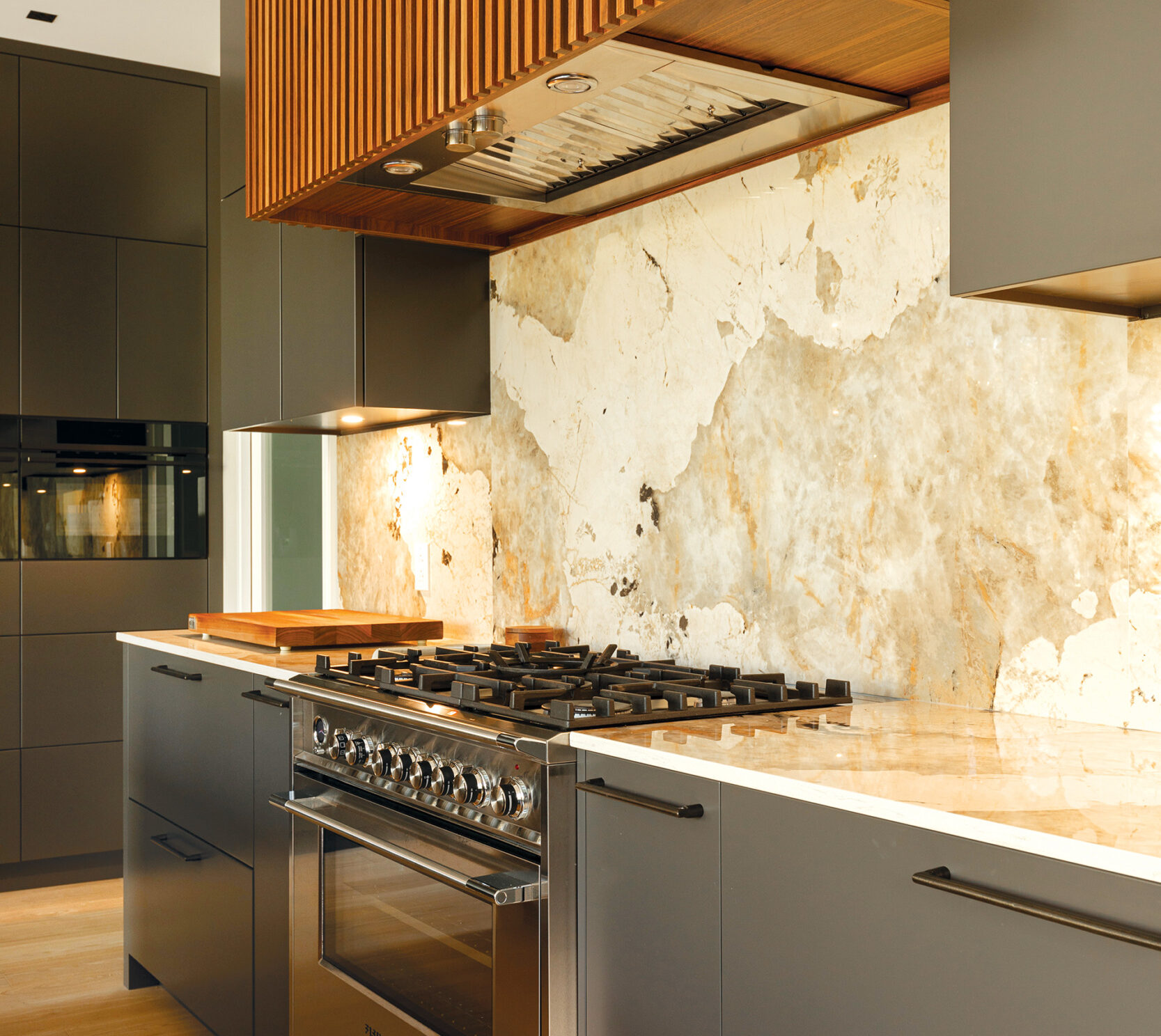
 | - Create contrast. Start with one element as an anchor—a beautiful wood, lacquer or distinctive stone. From there, build with complementary textures and tones.
- Pay attention to undertones. Materials that seem similar can clash if their warmth or coolness is different.
- Avoid competing elements. The most successful spaces have a clear hierarchy, with one or two materials making a statement while the others support them.
- Spice it up. Varying texture and scale creates depth and keeps a space from feeling flat.
A wooden hood and stone backsplash grace an Ateliers Jacob kitchen. Photo: Sarah Dagenais |
“We are seeing more traditional kitchen and bath cabinetry—lots of darker colors and inset styles. Natural oak is still popular, but there’s been a major shift from painted cabinets to darker-stained walnut, clear hickory and rift-cut and plain-slice oak.”