Whether it’s the granite cobblestone streets where trolleys once roamed or the Federal-style row houses that line many a block, Georgetown exudes historic charm in almost every direction. But for a West Coast-based couple, a penthouse in the Ritz-Carlton fell short on delivering the kind of character that’s synonymous with the neighborhood. While the 6,145-square-foot, high-rise abode offered covetable views of the Potomac, the interior offered little architectural detail to match the scene outside.
“What was there felt very dated and early 2000s,” shares designer Zoë Feldman, whom the couple brought on for the renovation. “There were a lot of odd elements that needed to be smoothed out, such as columns that weren’t load-bearing and lots of undulation in the ceilings. There were large spaces, but they didn’t flow together well architecturally.”
Working with architects Thomson & Cooke and Pyramid Builders, Feldman went about crafting an artful pied-à-terre for the clients to use as an entertaining base when they’re in town. The husband and wife, who have two grown children, desired a DC residence to gather with friends and watch nearby Georgetown athletic events. The husband is an alum and one of the children currently attends the school.
But first the team had to right the penthouse’s shortcomings. Dropped ceilings were raised and cased openings were realigned to create a sense of separation between the mostly open-plan spaces. “A big part of the project was very subtly creating beautiful rooms that unfold into each other,” notes architect Patrick Cooke. “When it was one long run-on space, there was nowhere to stop and change color and materials. These spaces were tricky to make sense of until we created some separation.”
Careful consideration was paid to the how the apartment should flow with an eye on cohesion and a high level of customization top of mind. To start, the entry was reconceived valuing the principles of compression and expansion. A cozy vestibule, sporting new wood paneling painted in Farrow & Ball’s Carriage Green, was built out with a walnut alcove to welcome guests. “We thought it would be fun to create a dramatic jewel-box moment in the entry,” relays Feldman.
That vestibule leads to a hall, which ushers you into a bright, central gallery open to the living room and study on one side and the den, kitchen and dining space on the other. The primary suite resides just beyond the public living spaces for optimum privacy; three additional guest rooms, all with ensuite baths, are tucked away off the entry at the opposite end of the apartment.
To give the home a unifying visual language, the Brazilian cherry floors were refinished to downplay natural red undertones, and walnut door jambs were incorporated at the thresholds. Special attention was paid to the sequencing of rooms through the use of color. “They wanted it to feel more in line with a typical Georgetown home which might have moodier hues,” says Feldman. “A lot of the spaces have earthy jewel tones, so if you line them all up, they would complement each other.”
The cooler side of the color wheel—think grays, blues and greens—dominates the palette; the charcoal study has blueish undertones, and the powder room’s DeGournay wall covering boasts a forest motif in emerald and teal. One exception is the den, bathed in a rich, atmospheric terracotta hue. Other spaces feature crisp white walls to let the clients’ top-shelf art collection, which includes pieces by Sam Gilliam, Sabine Moritz and Mark Bradford, sing.
In the kitchen, Feldman freshened up existing cabinets with a coat of Farrow & Ball’s De Nimes blue and new honed marble countertops. “We weren’t able to fully renovate the kitchen because of the tight time constraint, so we had to put a band-aid on some of it and the easiest thing to do when you need a band-aid is paint,” she explains. The entire project went down in the course of five months from start to finish.
“Zoë had a clear vision for transforming this residence into a home that reflects both the building’s refined setting and the clients’ modern lifestyle,” reflects Jerry Jubb, vice president of Pyramid Builders. “It was a comprehensive renovation that touched nearly every space in the residence. The combination of finish-sensitive work, a vertical urban setting and strict schedule demands made this project challenging, but also one of the most rewarding.”
Architecture: Patrick Cooke, Thomson & Cooke Architects, Washington, DC. Interior Design: Zoë Feldman, Zoë Feldman Design, Washington, DC. Builder: Pyramid Builders, Annapolis, Maryland.
RESOURCES
Window Treatments: gretcheneverett.com. Home Automation: iniav.com.
ENTRY
Wall and Trim paint: Carriage Green by farrow-ball.com. Ceiling Light: hvlgroup.com. Table Lamp: incommonwith.com. Rug: vintage through mattcamron.com. Mirror: racheldonath.com through theexpert.com. Hardware: oandgstudio.com. Ottoman: 1stdibs.com.
POWDER ROOM
Wallpaper: degournay.com. Trim Paint: Titmouse Blue by farrow-ball.com. Sconces & mirror: 1stdibs.com. Faucet: waterworks.com. Sink: rocktopsfabrication.com. Towel Bar: nickeykehoe.com.
GALLERY
Wall & Trim Paint: All White by farrow-ball.com. Ceiling Light: trueing.com. Monopoint Light: mplighting.com. Art: Sabine Moritz. Art/Mirror: Jim Lambie through gouldartadvisory.com. Center Table: Vintage through 1stdibs.com. Console Table: vancollier.com. Sideboard: shopquarters.com. Door Knob: soane.co.uk.
STUDY
Wall & Trim Paint: Beetle Black by farrow-ball.com. Ceiling Light: 1stdibs.com. Table Lamp: incommonwith.com. Desk: lawsonfenning.com through theexpert.com. Chair: ruemmler.us. Art: Federico de Francesco through gouldartadvisory.com. Rug: starkcarpet.com.
LIVING ROOM
Wall & Trim Paint: All White by farrow-ball.com. Ceiling Light: achillesalvagni.com. Table Lamps: theexpert.com; incommonwith.com. Floor Lamp: 1stdibs.com. Sofa: dmitriyco.com. Sofa Fabric: schumacher.com. Lounge Chairs: lawsonfenning.com through 1stdibs.com. Lounge Chair Fabric: rosemaryhallgarten.com through ruefour.com. Coffee Table: 1stdibs.com. Side Tables: foromshop.com; lawsonfenning.com. Library Table & pillows: shopquarters.com. Large Pillows: jennikayne.com. Ottomans: lsupholstery.com. Ottoman Fabric: misia-paris.com. Rug: tibetano.com. Drapery & Roman Shade Fabric: hollandandsherry.com.
DEN
Wall Paint: Etruscan Red by farrow-ball.com. Ceiling Light: apparatusstudio.com. Floor Lamp: 1stdibs.com. Rug: crosbystreetstudios.com. Art: Gene Davis through irenahochman.com. Sofa: lawsonfenning.com. Sofa Fabric: us.loropiana.com. Lounge Chair: aneesupholstery.com through hinescompany.com. Lounge Chair Fabric: roseuniacke.com through mattcamron.com. Side Chair: nydc.com/showroom/the-gallery-at-200-lex. Sideboard: wudfurniture.com. Coffee Table & Side Table by Sofa: 1stdibs.com. Side Table: shopquarters.com. Bench: mattermatters.com. Ottoman: 1stdibs.com. Pillow Fabric: metaphors.com/en. Drapery Fabric: rogersandgoffigon.com. Roman Shade Fabric: hollandandsherry.com.
KITCHEN
Wall, Cabinetry & Trim Paint: De Nimes by farrow-ball.com. Ceiling Lights: urbanelectric.com. Sconces: alliedmaker.com. Rug: mattcamron.com. Hood: lenorewinters.com. Dining Chairs: 1stdibs.com. Hardware: waterworks.com. Range: bluestarcooking.com.
DINING ROOM
Wall & Trim Paint: De Nimes by farrow-ball.com. Ceiling Light: 1stdibs.com. Dining Table: sunatsix.com through theexpert.com. Dining Chairs: 1stdibs.com. Art: Charles Gaines. Roman Shade Fabric: hollandandsherry.com.
PRIMARY BEDROOM
Wallpaper: schumacher.com. Trim Paint: Slipper Satin by farrow-ball.com. Ceiling Light & Sconces: 1stdibs.com. Table Lamps: dumaismade.com through theexpert.com. Floor Lamp: us.audiocph.com through theexpert.com. Small Table Lamp: soane.co.uk. Art: Sam Gilliam through gouldartadvisory.com. Carpet: starkcarpet.com. Lounge Chairs: 1stdibs.com. Lounge Chair Fabric: rogersandgoffigon.com. Bed: fajenbrown.com. Bed Fabric: us.loropiana.com. Nightstands & Side Table: 1stdibs.com. Console: vancollier.com. Bench: mattermatters.com. Bed Blanket: jennikayne.com. Bedding: sferra.com. Lumbar Pillow on Bed: us.loropiana.com. Chair Lumbar Pillow: sandrajordan.com. Roman Shade Fabric: hollandandsherry.com.
GUEST BEDROOM
Wallcovering: hollandandsherry.com. Trim Paint: Slipper Satin by farrow-ball.com. Bed & Nightstands: fajenbrown.com. Bedside Lamps & Sconces: 1stdibs.com. Floor Lamp: incommonwith.com. Chair: theexpert.com. Chair Fabric: us.loropiana.com. Desk Chair: pillarandpost.com. Desk Lamp: sohohome.com. Rug: starkcarpet.com. Bed Blanket: jennikayne.com. Bedding: sferra.com. Lumbar Pillow, Drapery, & Roman Shade Fabric: hollandandsherry.com.
The owners of this Cleveland Park center hall Colonial, architect Megan Downey and her journalist husband, found that its best asset—an expansive backyard that looks onto a ravine—was unfortunately blocked by a rear attached garage. “It’s an amazing forested wonderland with a creek, but you wouldn’t have known it from the way the house was laid out,” she explains. Desiring a family-friendly kitchen that felt connected to nature and to the rest of the house so they could keep an eye on their two young daughters, Downey devised a plan to eliminate the wall between the abode and the garage and relocate the kitchen to the former garage on the home’s posterior.
Wanting the cook space to feel modern and uncluttered, she conjured a porcelain-clad monolithic island that would look like a floating marble sculpture and full-height cabinets that would blend into the wall and keep appliances, pantry items and dishes out of sight. Aurora Ferrari of Innately Italy helmed fabrication of the cabinetry and countertops. With an eye on safety and sustainability, Downey opted for minimal-VOC paint and sheep’s wool insulation. Reclaimed historic red oak boards were matched to the existing floors and topped with an all-natural coating partially made from cheese whey, making the space as eco-friendly as it is sleek.
PROJECT TEAM
Architecture & Kitchen Design: Megan Downey, Megan Downey Studio. Interior Contractor: Smith & Daughter.
KITCHEN DETAILS
Cabinetry: innatelyitaly.com. Appliances: miele.com through ajmadison.com. Windows: loewen.com through thesanderscompany.com. Pendant Lighting: flos.com. Stools: dwr.com.
When a young family bought a Queen Anne row house on Capitol Hill, they found a literal cornucopia of period details: Plasterwork featuring pea pods, flowers and corn cobs were among the interior’s perfectly preserved treasures. The kitchen, however, offered a different kind of time capsule. Situated at the rear of the house, “it had plastic laminate cabinets and a blue 1980s glazed tile backsplash; it felt very DIY,” relays project architect Nicholas Potts. Flipping the location of the dining room and kitchen made the cook space feel more like the heart of the home. A deep, paneled archway connects the two spaces and artfully conceals a new powder room.
The owners, an advertising executive and a writer, initially thought they’d paint the space green, the wife’s favorite color. But, according to Potts, “it was feeling cave-like, so we started leaning toward warmer tones,” landing on Farrow & Ball’s Tailor Tack. An oversized Carrara and Bardiglio marble floor makes the space read larger, while vintage Czech flush mounts and a mid-century orbital pendant telegraph an elevated eclecticism. A sunny yellow larder and green custom doors on the back of the house, crafted by a Vermont artisan and family friend, only add to the kitchen’s one-of-a-kind character.
PROJECT TEAM
Architecture & Kitchen Design: Nicholas Potts, AIA, Nicholas Potts Studio. Contractor: Impact Construction. Styling: Kristi Hunter.
KITCHEN DETAILS
Cabinets: bremtown.com. Larder & Rear Windows: arcadiarestorations.com. Floor: artistictile.com. Range: agarangeusa.com through abwappliances.com. Refrigerator: liebherr.com through adu.com. Plumbing: houseofrohl.com.
Founded by Scotsman John Barbour in 1894, this British heritage brand began as utilitarian wear for country life, but it became fashionable when a young Lady Diana Spencer popularized the iconic wax jacket, and the garment became a staple for Sloane Rangers and preppies alike. DC- based Tuckernuck has teamed up with the label for an 11-piece capsule collection of outerwear and accessories, including this quilted jacket, lined with one of T-nuck’s signature floral prints. $370. tuckernuck.com
Capturing the ambiance and flavors of southern France, Barbouzard, which means “secret agent” en français, is the latest offering from acclaimed chef Cedric Maupillier of Convivial fame. Drawing on his upbringing in Toulon, the menu pays homage to the coastal fare of his youth—think bouillabaisse and escargots —while also catering to the luxe set with caviar service. The restaurant’s design, conceived by Olvia Demetriou of HapstakDemetriou+, features bleached oak, lively patterned tile, jewel-toned seating and bubble chandeliers. To keep the party going, dinner is served till midnight most nights and to 1 am on Fridays and Saturdays. 1700 K Street, NW; 202-998-2009. barbouzard.com
Originally built as a palace in 1727 before becoming an equestrian academy under Emperor Franz Joseph I, the Imperial Riding School Hotel in Vienna blends heritage and charm for a one-of-a-kind stay. With 342 guest rooms, a wellness area with a pool and access to the city’s largest private garden, the hotel, which is part of the Autograph Collection, was redesigned with English interior design firm Goddard Littlefair and Vienna-based BWM Designers & Architects. Culinary offerings include Elstar, a restaurant named for an apple variety grown on site, serving fresh takes on traditional Austrian dishes, and the Farrier Bar. Rooms from $278. imperialridingschool.com
When a couple of empty nesters moved from the DC area to the Eastern Shore, they reached out to designer Laura Butler to complete the interiors of their Colonial-style new build in the Arcadia Shores neighborhood of Easton. “Because she trended more glamorous and he leaned more traditional, we tried to blend their styles to create calm, neutral spaces that respect the traditional architecture of the home,” shares Butler. Take the family room, shown here: With expansive views of the Miles River, the designer didn’t want to upstage the scenery, so she brought in a soothing, nature-inspired palette of gray-blues and taupes.
Custom millwork and paneling nods to architectural details found in the light and bright adjacent spaces, but to create a cozy contrast, she painted the walls Benjamin Moore’s Marina Gray.
With six different points of entry to the room, the furniture layout had to be methodically plotted. A perfectly scaled custom sectional by McKinley Leather, upholstered in dog-friendly fabric, anchors the room while ensuring plenty of space to circulate; nearby French doors fold open to provide seamless flow to the dining and grilling terrace. Featuring a fireplace surrounded by an Old World-inspired mantel from Francois & Co., the room offers a snug haven year-round with views that are hard to beat.
Interior Design: Laura K. Butler, Butler Interior Design, Kent Island, Maryland. Builder: Focus+ Construction, Easton, Maryland.
Hoping to transform a neglected farmhand’s abode into a welcoming guest retreat for their Bozman, Maryland, property overlooking Broad Creek, a pair of avid gardeners and hosts contacted architect Michael Rouse. Maintaining its exact footprint, his plan organized the ailing 887-square-foot structure into two zones—an open, vaulted space for farm-to-table cooking and entertaining at one end, and a tranquil suite with a spa-inspired bath at the other. Reorienting the front door to the creek side made better sense of the layout and the placement of new windows prioritized waterfront views. Opening up the attic crawl space in the great room allowed for lofty cathedral ceilings with black metal ties, while replacing a screened porch with a sunroom created a light-filled sanctuary for reading and relaxing.
Style-wise, Rouse found inspiration in the building’s history. “We wanted to bring it back to its agrarian roots, which is why we did the seamed metal roof and the board-and-batten siding on the exterior, then we carried that theme to the interiors as well,” he explains. Farmhouse design elements include beadboard, nickel gap paneling and terracotta tiles that reference the region’s prevalent brick herringbone floors.
Summing up the project, Rouse says, “It was about taking something that was existing and not tearing it down but—in a very green way—giving it some TLC and creating something new.”
Renovation Architecture: Michael P. Rouse, AIA, principal; Christian Bocchino, Assoc. AIA, project designer, MPR Architecture, Washington, DC. Builder: Chuck Callahan, West & Callahan, Easton, Maryland. Styling: Limonata Creative.
Houses christened with formal names never fail to capture the imagination. Think of Daphne du Maurier’s Manderley in Rebecca or Jane Austen’s Pemberley from Pride and Prejudice. Set on the banks of the Tred Avon River in Easton, Avondale is that type of home—a grand pile where 250 years’ worth of history speaks with every creak of a floorboard.
When a preservation-minded couple with three school-age children purchased the 40-acre property as a weekend retreat—their primary home is in Rehoboth—the 10,000-square-foot manse and its outbuildings had been derelict for many years. With a vision of restoring the house to its once stately form, the new owners called upon architect Charles Goebel with the added goal of updating it to serve their active lifestyle. “Our approach has been to preserve what’s worth preserving and to undo past mistakes that are not compatible with the history of the house,” he notes. So masterful was his restoration that it earned him a John Russell Pope award this year from the Institute of Classical Architecture & Art.
Dating to 1770, the original Georgian three-bay portion of the house was built by Freeborn Banning, who came from a Chesapeake seafaring family, and it remained with his descendants for several generations. Significant additions were made during the 1920s, later followed by an insensitive full-scale remodel in the early 2000s which stalled, leaving the home vacant and neglected until 2018. “Additions had been put on additions over the decades and there was no real coherence or flow to it,” Goebel relays.
One only needed to look at the rambling exterior to see a roadmap of the many changes the house had undergone. For instance, each add-on incorporated different types of brick, most of which needed to be repointed or repaired. “It was kind of a museum of brick, if you will,” cracks the architect, who limewashed the blocks to lend cohesiveness and dressed up the façade with a Chippendale-style balustrade.
Inside, the home was a warren of dark, low-ceilinged spaces, starting with the entry hall which functioned as a reception room with a fireplace but no stairs. To create a more ceremonial welcome, Goebel conceived a striking circular staircase. At that time Jess Weeth, who had worked with the family on their primary residence, came on board to steer the interiors. “When I first saw the stair framing, it took my breath away to watch this sculptural component come to life with that amazing view behind it,” recalls the designer. “And what better way to capture that moment than with a more rustic finish like plaster.”
Layout-wise, the abode flows from that center hall, with living room and family room to the left side of the entry, and the dining room, kitchen, sunroom and other entertaining spaces to the right. The second floor plays host to the original library, the primary suite and the son’s and one of the daughter’s rooms, while the previously unfinished third-floor attic contains a lofty bedroom and bunk space for the eldest daughter.
For the interiors, Weeth’s goal was to create a generational family home that exuded comfort while honoring the period architecture and idyllic location. “Easton itself has so much history, right down to the millwork details in the old buildings in town,” she explains. “It was important to balance the design feeling fresh enough to fit a young family while simultaneously having that heritage component. It’s a very quiet place, and there’s something to how powerful and strong the setting is, so it was about complementing the scenery and matching the patina of the home without having the decoration steal the show.”
Main-level spaces toe the line between formal and fun. The living room, which looks out onto the reflecting pool, pairs polished furnishings with a Susan Harter mural that, notes Weeth, “blurs the lines between inside and out,” while the sunroom holds a long custom table for gloriously messy crab feasts. A tucked-in bar room reflects its waterfront scenery with baby-blue lacquer cabinetry and an antique mirror backsplash; there, reclaimed French marble floors from Francois & Co. harken to the past, conveying Old World style.
A sense of age is present upstairs, too, in the vaulted, timber-framed library, notable for its overhead beams which were rescued from a local church that burned down in the 1920s. “You can actually smell the character of the wood when you’re in that room,” says Weeth. Because the space was uninsulated, Goebel applied insulation to the roof’s exterior to maintain the soaring ceiling.
That dedication to preservation can also be seen in the restoration of the property’s gazebo, an architectural folly at the termination of the reflecting pool. After many decades of neglect, it was in sad shape with missing shingles and balustrades, but today it is the estate’s crown jewel.
“Whoever we’ve shown photos of this project to has been touched and charmed by what we’ve created,” reflects Goebel. “It strikes an emotion and really resonates. You get the feeling that this is just a romantic, wonderful place to be.”
Renovation Architecture: Charles Paul Goebel, AIA, LEED AP, Charles Paul Goebel, Architect, Ltd., Easton, Maryland. Interior Design: Jess Weeth, Weeth Home, Rehoboth Beach, Delaware. Landscape Architecture: Holt Jordan, Jordan Honeyman Landscape Architecture, Washington, DC. Renovation Builder: Dewson Construction Company, Wilmington, Delaware.
1/ Natty Leash Crafted from soft, weatherproof rope, this five-foot-long leash comes in standard and petite sizes, fitting pooches from eight to 100 pounds. Each sale helps feed a shelter dog. $62; thefoggydog.com
2/ Fancy Feast Because pets should have pretty plates, too, Caskata created a series of porcelain bowls featuring marine motifs, including beach-towel stripes, a school of fish and an octopus named Lucy. $50 each; caskata.com
3/ Sleep Preserver This blue-and-white canvas bed takes the shape of an inflatable life ring with a cozy center for curling up. Sized for smaller pets, it measures 27.5 inches in diameter. $135; nauticalluxuries.com
4/ Cat’s Meow Made from cotton and stuffed with pure catnip, these brightly colored, fish-shaped toys are designed to stimulate your feline’s natural hunting instincts. $14.99 for three; chewy.com
5/ Chew on this, Matey This hand-tied rope toy, resembling a captain’s wheel, is made using non-toxic vegetable dyes. As your dog gnaws at it, the rope frays and acts like doggie dental floss. $16; jaxandbones.com
6/ Style Hound In top-grain leather and navy rope with brass hardware, this collar is festooned with a charming anchor applique. In three sizes to fit neck measurements from 11 to 25 inches. $68; kieljamespatrick.com
7/ Tartan for Terriers Your dog doesn’t have to be a Scottie to love this bone-shaped stocking in Stewart plaid. Stash it with treats and be the favorite pet parent. $24.50; potterybarn.com
A great design team is a little like a dating coach—architects and interior designers objectively assess the attributes and shortcomings of a house with the end goal of presenting the most charming version of it to the world. Fortunately, for a gracious 1925 Georgian Revival abode on a sleepy block in Chevy Chase, DC, there were a lot of positives to accentuate. The home had well-proportioned rooms and period details aplenty; all it needed was a thoughtful refresh.
The homeowners, both lawyers with two now-grown children, began an update six years ago but backburnered it: At the time the kids were juggling busy high school schedules, then covid happened. When the teens left for college, the couple decided the time was finally right. “We became empty nesters, so of course we decided we needed more space!” the wife jokes. Relying on the recommendations of their long-term contractor, WT Construction, led them to engage Hill & Hurtt Architects and J.D. Ireland Interior Architecture + Design for the renovation.
Originally, the residence boasted a traditional layout with a central stair hall flanked by a living room on one side, dining room on the other and a small-by-today’s-standards kitchen at the back. Building a new rear addition gave the family an enlarged jewel-box cookspace with a window-filled conservatory that serves as both breakfast nook and lounge.
Elsewhere, room designations shifted to suit the rhythm of their day-to-day life. “How they had been using the house came to define the design,” says architect Eric Hurtt. For instance, working from home through the pandemic made the couple realize they needed a dedicated office, so they converted the dining room to a study. Across the hall, the former living room became the dining room, and the living room moved to the original kitchen space. Removing a shallow coat closet better connected the entry hall to the living room, and opening up the walls surrounding the staircase exposed the bottom steps, allowing them to generously spill out into the hall. “The clients were interested in maintaining some of the original architectural elements, but the spaces felt separated from one another,” notes Hurtt. “It became a question of how to open it up while keeping some of the detailing that felt true to its era.”
New windows, flooring, trim and wall finishes replaced the old, but still honor the home’s century-old framework. In the entry hall, walls were made thicker to allow for the addition of pocket doors and a built-in niche to house hats, scarves, dog leashes and shoes. Such millwork upgrades met their match in artisan surface treatments thanks to designer Joe Ireland, who injected the first-floor rooms with a hefty dose of main-character energy.
Starting the moment guests walk in the front door, the mood is whimsical and welcoming. Osborne & Little’s Orchard, a nostalgic vine print, playfully winds up the walls. “It’s got a 1930s vibe with a little nod to Hollywood Regency, but in a very pared-down way,” says Ireland. The wallpaper establishes the palette for the entire project: “Every color in that paper you can find throughout the house.”
Shades of deep plum and turquoise echo in the dining room where the combination of Holly Hunt wall covering and a Trapezi hand-blown glass chandelier bring big-time drama. The atmosphere is heightened by the addition of new casement doors which lead to an old side porch now used as an exercise room. The arched openings feature opaque, sandblasted glass, so when the porch lights are on, the dining room takes on a romantic glow. The doors are just one example of the many collaborative efforts between architect and designer. “Having another party who understands what the design opportunities are really takes a project to the next level,” observes Hurtt.
The home’s pièce de résistance, the new kitchen/conservatory, is awash in Benjamin Moore’s Garden Stone, a shade of chartreuse pulled from the island’s marble slab. “We picked this wild stone that has arsenic green and raspberry running through it, and that became the springboard for the space,” enthuses Ireland. Wanting the island, which is painted a deep berry hue, to feel like a piece of furniture, he sourced and refinished vintage Eastlake dresser hardware from the 1890s. “We wanted it to feel like it had been there all along,” he adds.
The adjacent living room takes a quieter tack, with soft peachy walls and ivory furnishings. “With all the pattern going on throughout the house, we ended up doing a paint color instead of another wallpaper so it would read as calm, light and airy, yet still full of interest,” explains Ireland.
It’s no surprise that such lively interiors were the result of the client giving Ireland creative license. “This was one of those dream projects where they let us go crazy,” he confides.
“A lot of wallpaper and darker colors wouldn’t have been my natural inclination, but it turned out fantastic,” concludes the wife. “In the end, you just have to trust your design team.”
Renovation Architecture: Eric B. Hurtt, AIA, NCARB, Hill & Hurtt Architects, Washington, DC. Interior Design: Joe Ireland, Claudia Sans Werner, J.D. Ireland Interior Architecture + Design, Washington, DC. Renovation Builder: WT Construction, Washington, DC.
RESOURCES
ENTRY HALL
Wallpaper: osborneandlittle.com. Wallpaper in Niches: auxaubris.com; samuelandsons.com. Pendant Light: urbanelectric.com. Niche Lighting: hectorfinch.com. Built-In Niche Millwork: acutabovewoodworks.com. Millwork Paint: Aura Oil Cloth by benjaminmoore.com. Artwork: Owner’s collection.
DINING ROOM
Wallpaper: hollyhunt.com. Chandelier: 1stdibs.com. Table & Chairs: schumacher.com. Chair Fabric: jimthompsonfabrics.com; hollyhunt.com. Sconces: cb2.com. Sconce Finish: custom through artisanlamp.com. Shades: fenchelshades.com. Shade Fabric: raptureandwright.co.uk. Rug: carpetcreationsandflooring.com. Rug Binding: josephnoble.com. Doors to Exercise Room: pinkysirondoors.com.
FAMILY ROOM
Sofa: westelm.com. Wall Paint: Aura Dark Buff by benjaminmoore.com. Accent Pillows: stfrank.com. Sconce: urbanelectric.com. Artwork: gavinbenjamin.com through merrittgallery.com.
KITCHEN
Cabinetry: acutabovewoodworks.com. Cabinetry Paint: Aura Garden Stone by benjaminmoore.com. Island Stone, Perimeter Countertop & Backsplash: marblesystems.com. Pendant Lights: westelm.com. Sconces: urbanelectric.com.
BREAKFAST NOOK
Window Treatment Fabric: fabricut.com. Window Treatment Accent Fabric: byhopeathome.com. Window Treatment Fabricator: lsupholstery.com. Dining Nook: potterybarn.com. Dining Table: westelm.com. Sconces: urbanelectric.com. Rug: loloirugs.com.
OFFICE
Wall Paint: Aura Brownberry by benjaminmoore.com. Side Wall Panels Wallpaper: auxaubris.com. Back Wall Panel Wallpaper: christopherfarrcloth.com. Chesterfield: leeindustries.com. Chesterfield Fabric: arabelfabrics.com; romo.com. Stone Coffee Table: fourhands.com. Horse Artwork Photography: esequinephotography.com. Desk: arteriorshome.com. Desk Chair: crateandbarrel.com. Window Treatment Fabric: osborneandlittle.com. Window Treatment Accent Fabric: raptureandwright.co.uk. Window Treatment Fabricator: lsupholstery.com.
A large corner lot in Potomac hosts a historic house dating to 1900, though parts of it go back even further: The home’s den was once an original cabin constructed on the property in the early 19th century. Behind the house sat a barn, which at one time accommodated six horses. Over the years, the barn had been altered, suffered a fire and was rebuilt, while its function evolved from stable to studio to most recently a game room. The owners, empty nesters with sons who were graduating college, anticipated the need for an entertaining hub to host family and friends.
“Because it had barely functional plumbing and wasn’t heated or cooled, it wasn’t a good hangout place for gatherings,” relays architect Eric Carle, who was tapped to replace it with a new addition that would connect to the existing garage. On the now-complete exterior, white lap siding visually ties all of the buildings together, while board-and-batten paneling, barn doors and gas lanterns lend a farmhouse vibe. Inside, a soaring double-height space contains a bar, multiple seating areas and a billiards room with an exercise loft upstairs. Interior designer Stacey Saidy, a longtime friend of the family, evoked a traditional English Country aesthetic with rustic finishes and cozy furnishings. Says Saidy, “It’s an open, airy enclave that provides them the flexibility to scale the space for intimate gatherings and large-scale celebrations alike.”
Architecture: Eric Carle, Runningdog Architects, Chevy Chase, Maryland. Renovation Contracting: Gibson Homes, LLC, Bethesda, Maryland. Interior Design: Stacey Saidy, Bethesda, Maryland. Landscape Design: Caroline Ervin Landscape Design, Washington DC. Automation: A.B.E. Networks, Rockville, Maryland. Text: Michelle Brunner. Photography: Kaan Ozturk.
Every two years, the Washington Mid-Atlantic Chapter of the Institute of Classical Architecture & Art holds a design competition recognizing fine classical work in the region. The awards are named after John Russell Pope (1874-1937), a New York-based architect who designed significant classical buildings in Washington, DC, including the Jefferson Memorial and the National Gallery of Art.
Selected by a jury of architects, the 2025 award-winning projects were announced at a gala held on May 2 at The Sulgrave Club in Washington. This page showcases residential awardees and list non-residential winners. For more information, visit classicist-washington.org.
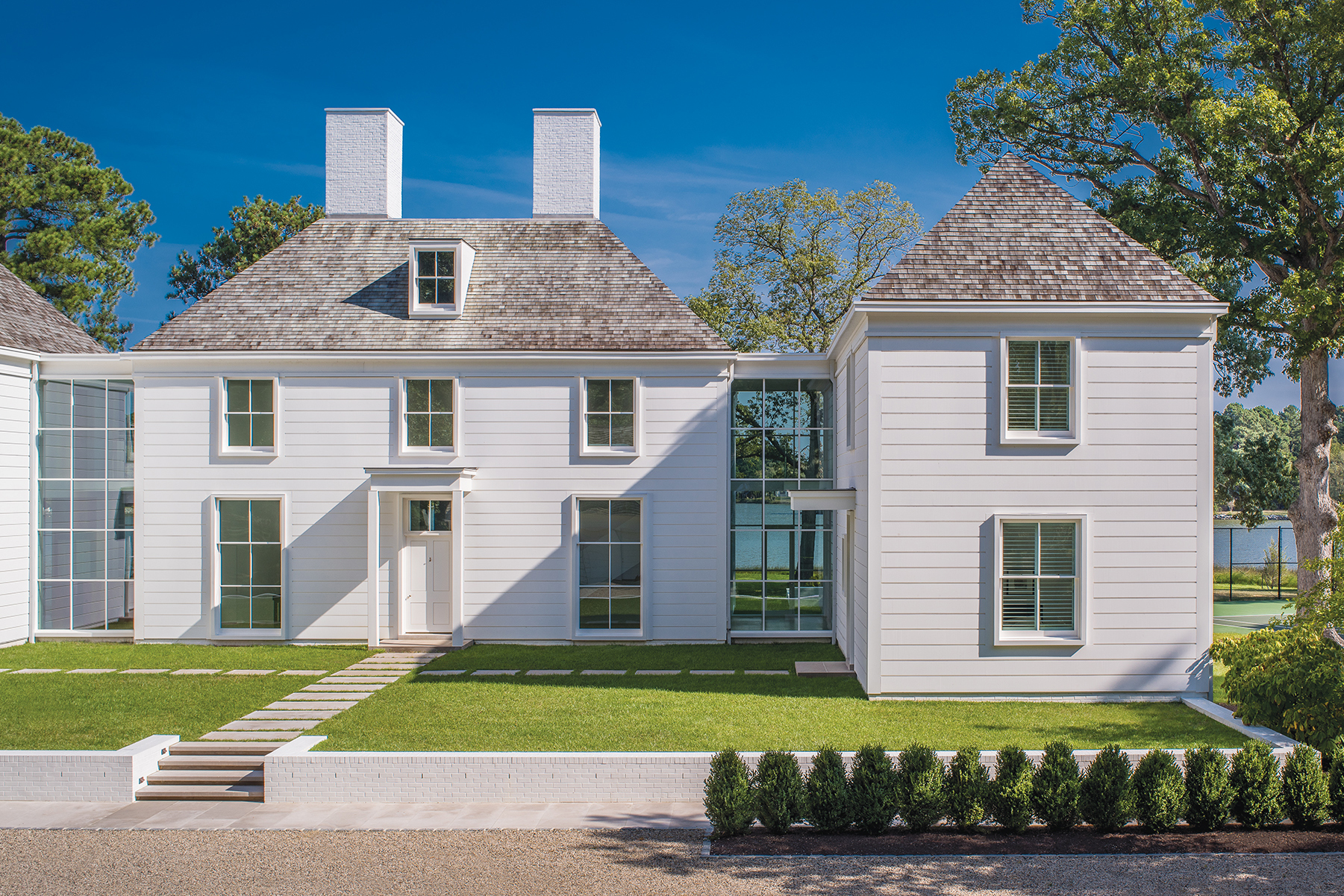 | Residential, New Construction over 5,000 square feetWouter Boer Architects Inc. |
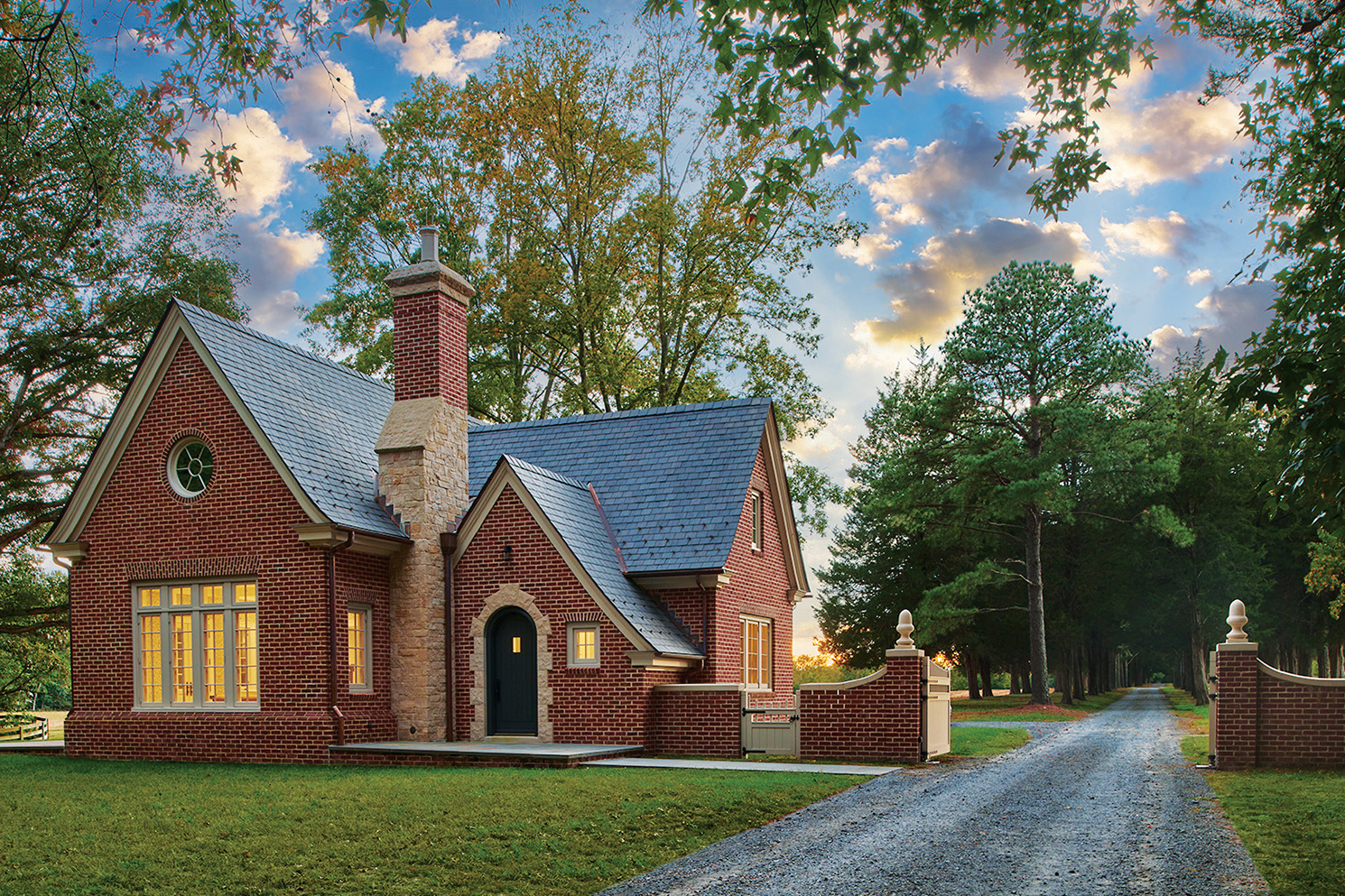 | Residential, New Construction under 5,000 square feetWiedemann Architects LLC. |
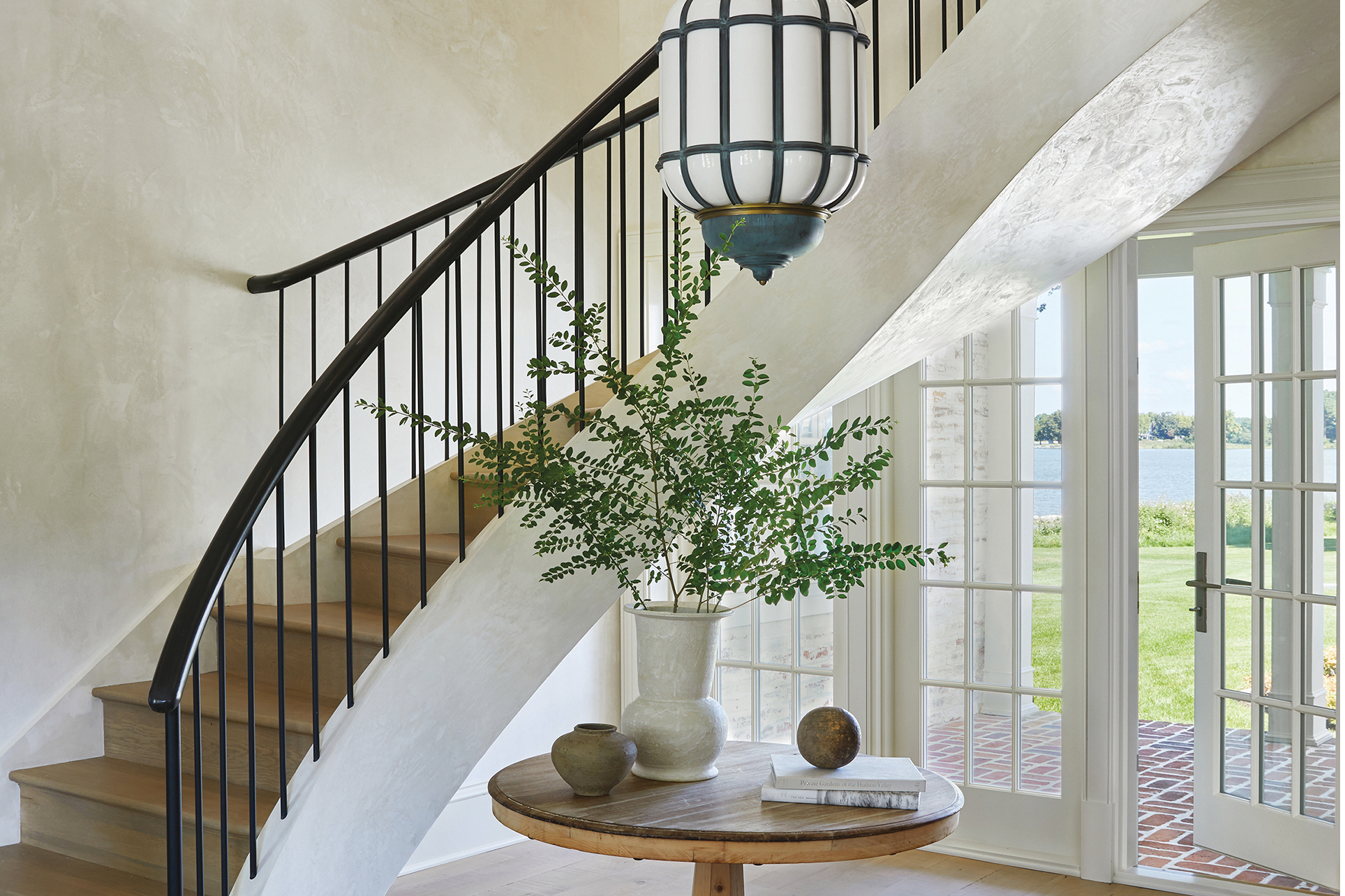 | Residential RenovationCharles Paul Goebel, Architect, Ltd. |
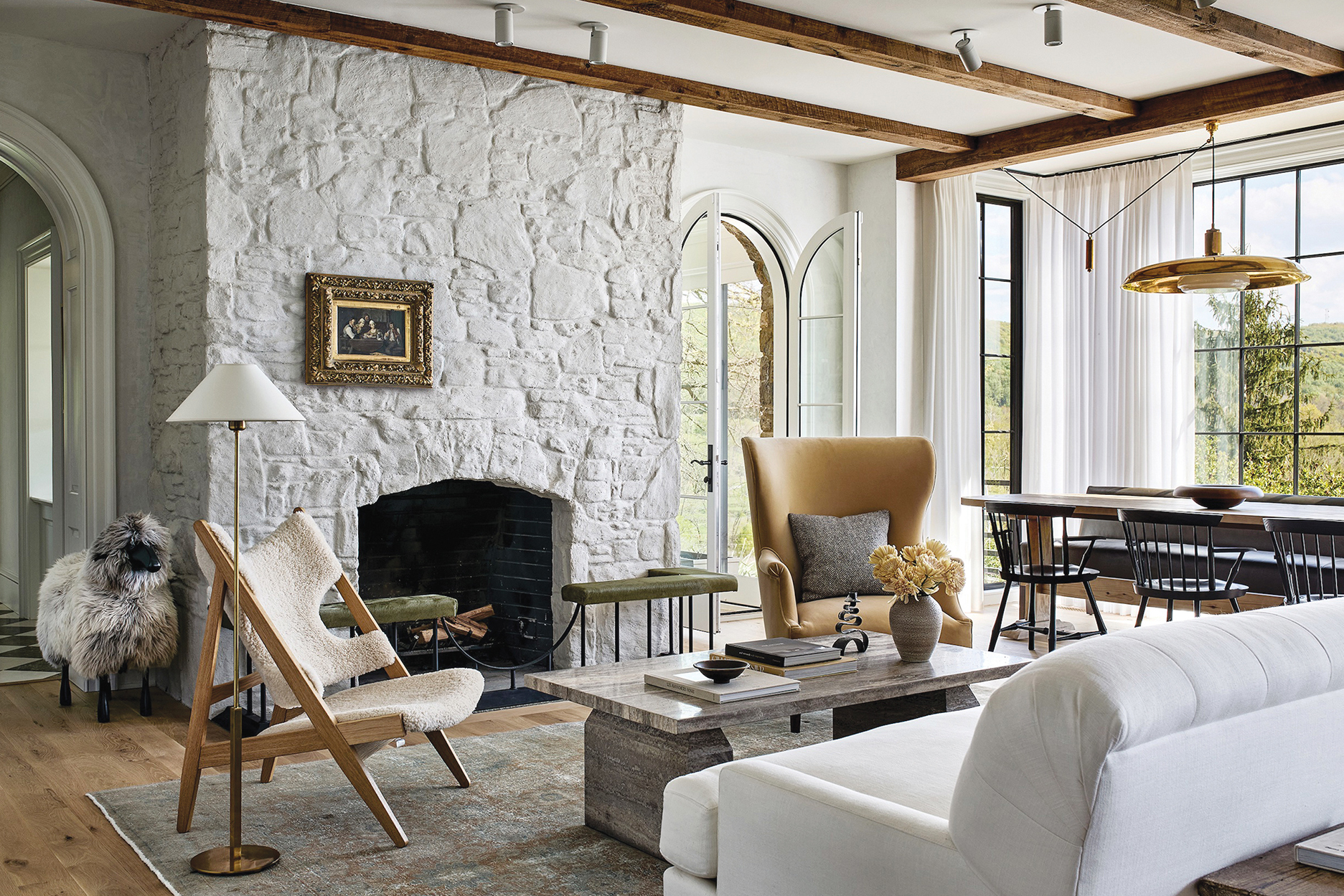 | Interior Design, ResidentialErica Burns Interiors. |
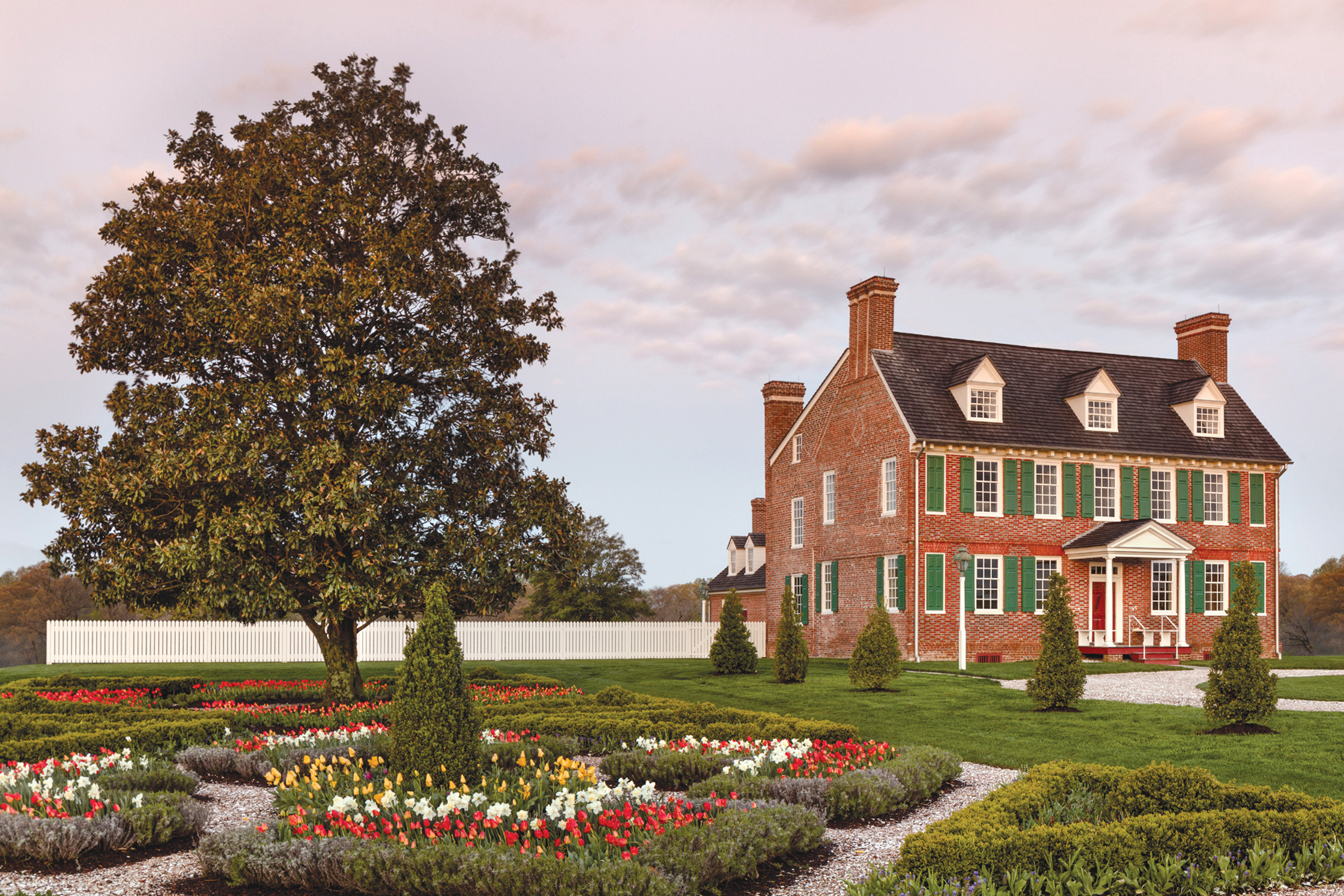 | LandscapeKimmel Studio Architects. To honor the history of Cloverfields, a Colonial Maryland estate built in 1705, the Cloverfields Preservation Foundation undertook an extensive renovation of the site. Archaeological findings and even the use of ground-penetrating radar informed the restoration of the estate’s once-lost garden. Reflecting classical design principles, the project successfully recreates the estate’s garden at its peak in 1784 with nearly 700 boxwoods, over 6,000 perennials, 85,000 bulbs, topiary fruit trees and medicinal plants. Restoration Contractor: Lynbrook of Annapolis. Landscape Installation: McHale Landscape Design. Photo: Jennifer Hughes. |
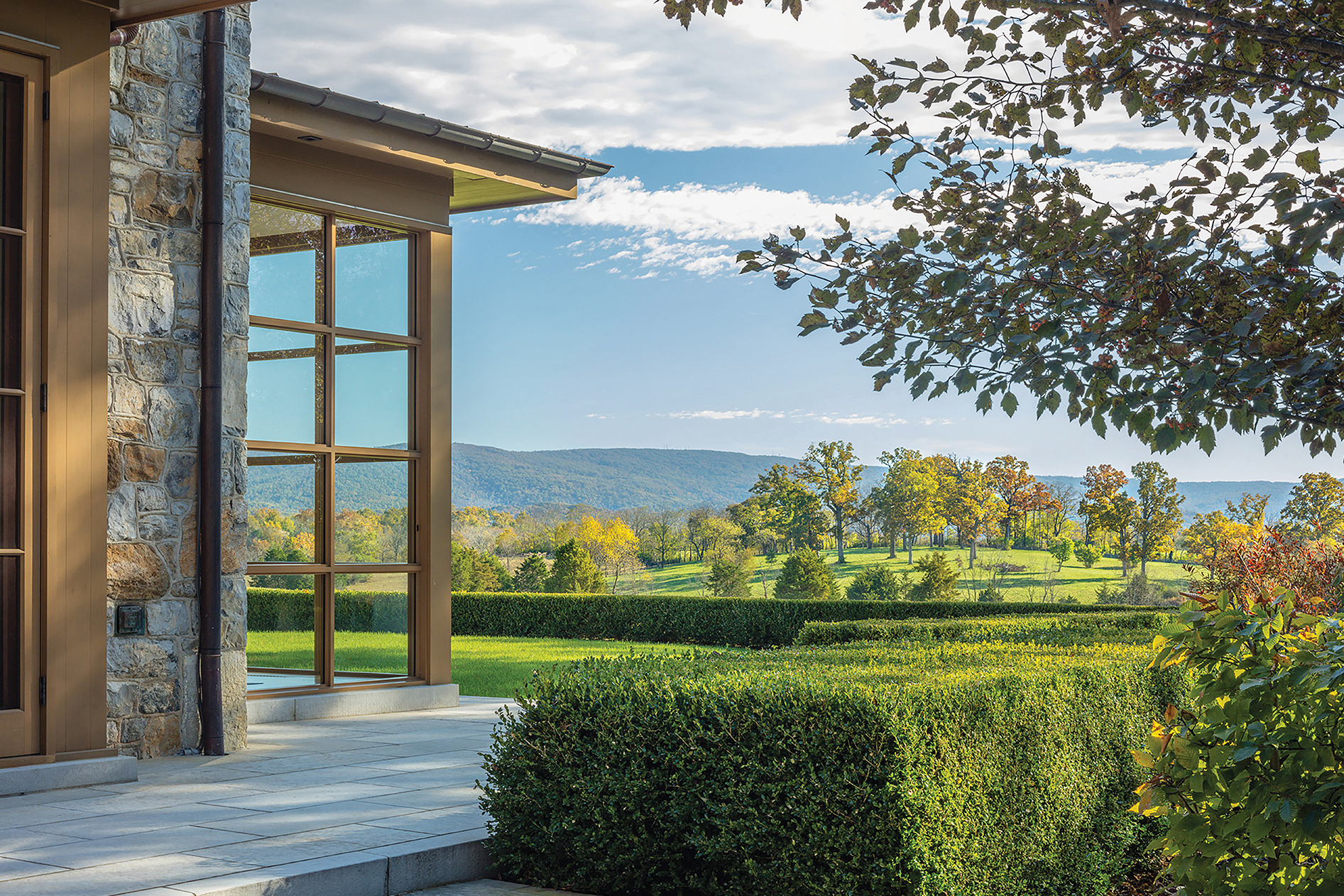 | LandscapeArentz Landscape Architects. A 160-acre farm in Clarke County, Virginia, is comprised of an equal mix of cattle pasture and rolling woodlands with the Blue Ridge Mountains looming in the distance. To marry a contemporary stone home to this bucolic setting, a meandering drive winds through wooded lands before arriving at the entry; additional gardens were added by the pool and rear of the property. Scaled for entertaining, the outdoor spaces form a seamless connection between interior and exterior. Architecture: Carter + Burton Architecture, PLC. Builder: Horizon Builders. Photo: Roger Foley. |
McCrery Architects; Baptismal Font at the Church of the Holy Spirit
Pellettieri Stone Carving; Decorative Stone Carvings on the Façade of St. Rita Catholic Church
David M. Schwarz Architects; The Orion Amphitheater
John Canning & Co., Ltd.; Mellon Auditorium Restoration
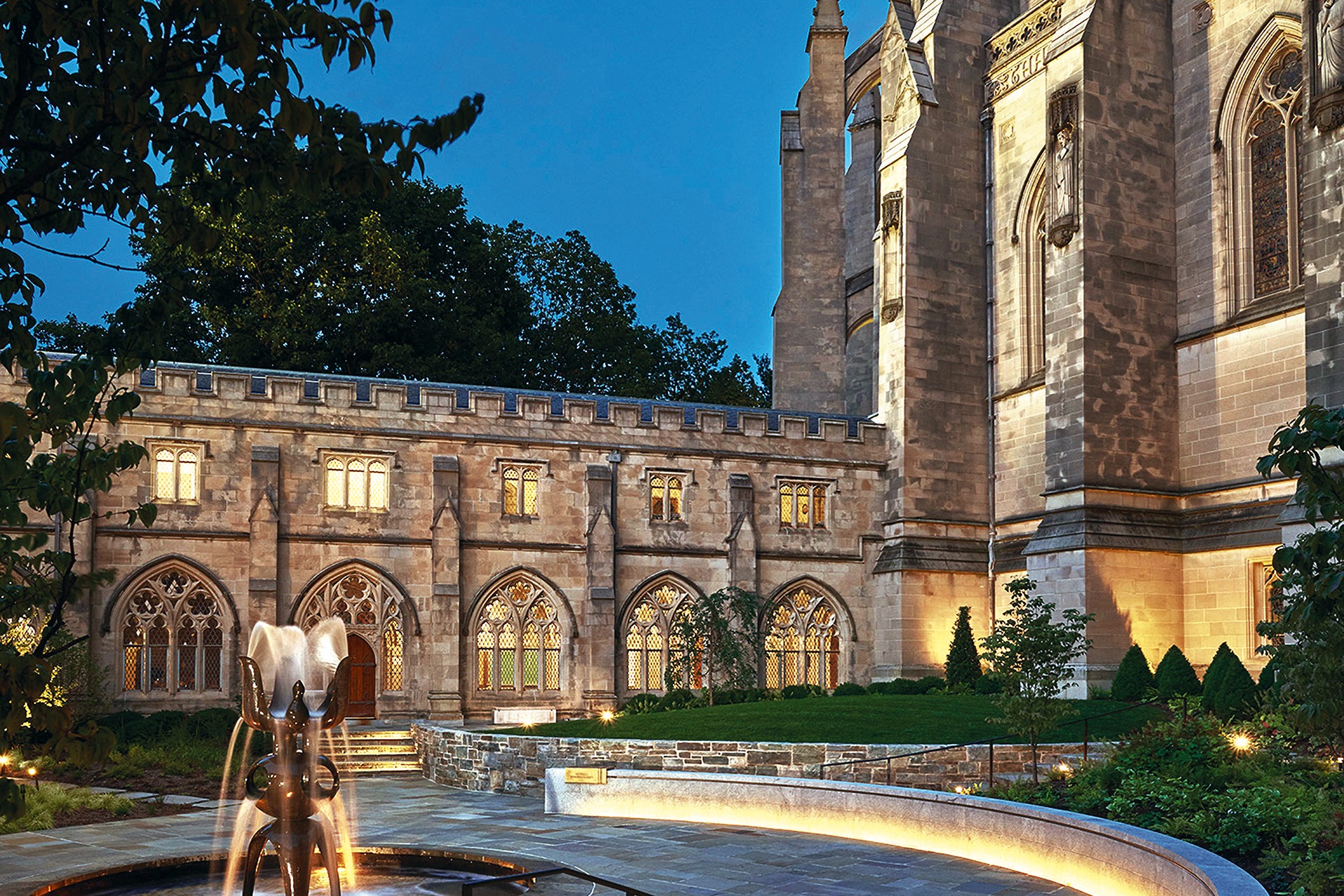 | EcclesiasticalRichard Williams Architects. |
Steven W. Spandle Architect LLC; The White House Tennis Pavilion
3North; Warm Springs Pools
Thomas Pheasant Interiors; The Benjamin Franklin State Dining Room Redecoration
Perkins Eastman Architects; Garvey Hall
Michael Watkins Architect; West Weber
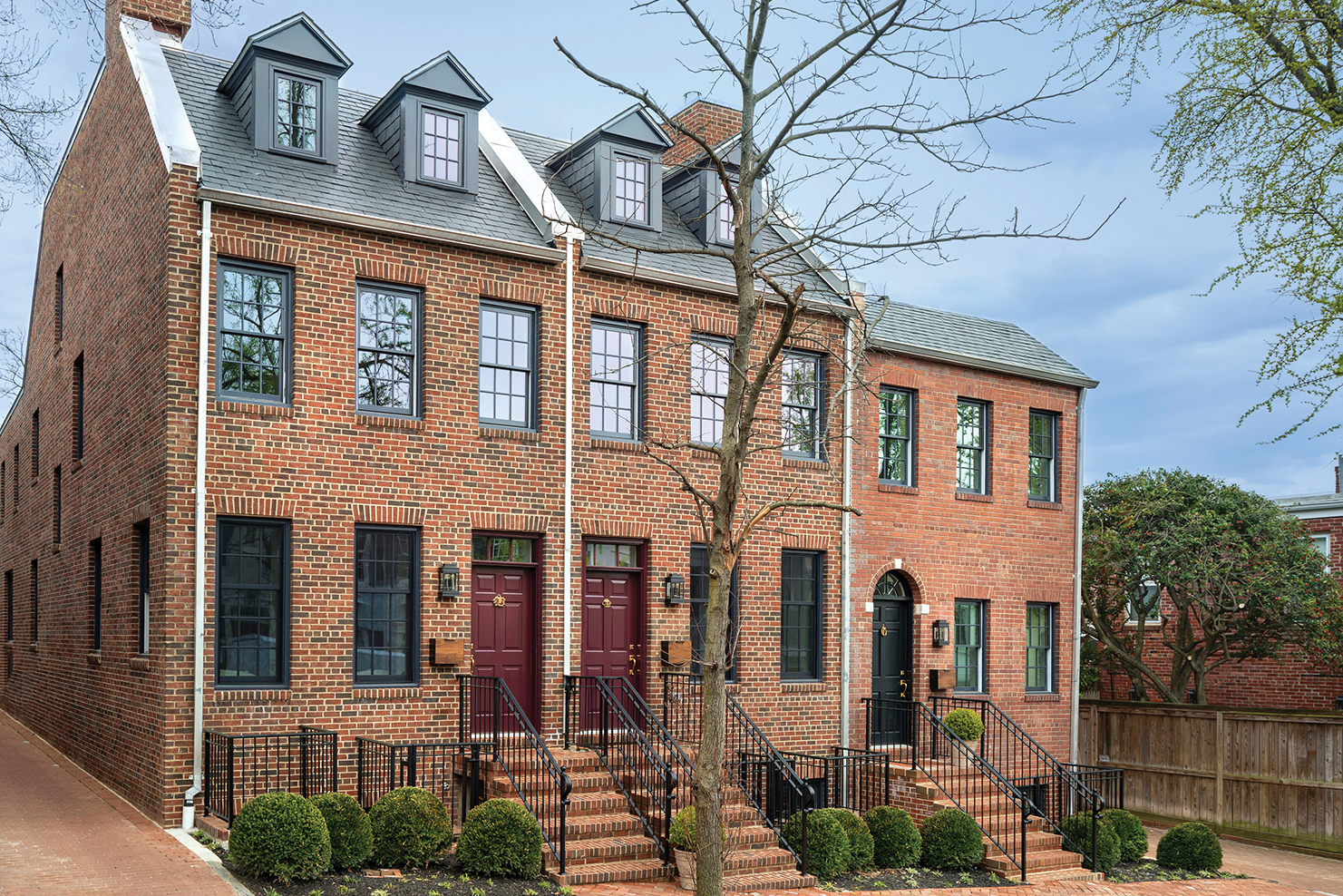 | Urban DesignChristian Zapatka Architect, PLLC. |
Patrick Sutton’s Tailored Interiors (Simon & Schuster; November 2025) profiles seven different homes located in DC, Maryland, the Delaware shore (left) and Wyoming. Each one highlights the Baltimore interior designer’s skill as a visual storyteller, crafting personal abodes that reflect their location and showcase his deftness in a variety of styles. Told in the engaging words of author Vicky Lowry.
Merging East and West sensibilities, Tashiding is a 100-acre property west of Baltimore, owned by Douglas Hamilton, Jr., former chairman of The Walters Museum, and his wife, Tsognie Wangmo, who is Himalayan royalty. Hamilton (far left) and photographer Norman Barker (left) collaborated on Tashiding: Beyond Earth and Sky (Oro Editions; September 2025), a delightful tour of the impressive grounds the couple has cultivated for more than a decade.
Hot Hybrid Mercedes’ latest hybrid model, the 2025 AMG E 53 combines exceptional performance with efficiency. The enhanced 3.0-liter, six-cylinder turbocharged engine and synchronous electric motor provide a combined output of 577 horsepower. Design packages let you customize both the exterior and interior for the ultimate personalized experience. From $88,000. mercedes.com
Bespoke Bike Weighing just under 22 pounds, Ponomarets Bikes’ new Eidolon model is the world’s lightest custom eBike with an electric-assist range of 60 miles. Handcrafted in Germany and made to order with a locally manufactured carbon-fiber frame, the two-wheeler embodies quality and craftsmanship. $14,660; ponomarets.com
Cutting a striking silhouette on the Denver skyline, the new Populus hotel creates a mindful hospitality experience through biophilic design and sustainability. AD100 architecture firm Studio Gang conceived the sculptural exterior, inspired by the towering white trunks of local Aspen trees. The hotel’s 265 guest rooms, brought to life by Wildman Chalmers Design in partnership with Fowler Architecture & Design, honor the Rocky Mountain landscape with warm colors, organic materials and undulating forms. Restaurants under executive chef Ian Wortham include Pasque, serving elevated seasonal cuisine, and Stellar Jay, where flame-kissed cooking sizzles in a rooftop setting. Rooms from $299. populusdenver.com